Not I, nor anyone else can travel that road for you.
You must travel it by yourself.
It is not far. It is within reach.
~Walt Whitman
DELIA QUIGLEY
-BOOKS AS ART~ART TO INSPIRE-
-

-

-
Part 4
You got your feet wet publishing with BookBaby and CreateSpace. So why change horses in mid-stream?
First of all, I love that expression. I use it often to temper my impulsive nature when new technology tempts me with updates. Things can get lost; time wasted learning new programs, you know what I mean. However, in the case of self-publishing, I was intent on creating a photo storybook with a lot of text. Before I dove too deep, I wanted to finish Maya Awakens as an e-book. I had been given this idea in a dream and was unsure if I could do it justice. But the universe does not wait for us to grab an idea before passing it on to someone else.I had decided to create the book using all my Apple devices. I shot the photos using an iPhone 6, edited them using photo apps on an iPad 2, uploaded them to my iMac, and created the book using iBooks Author. I listed it under YA (Young Adults), Fantasy, and posted it for sale on the iBooks store. The reviews were all very positive, which gave me the motivation to take the next step.
Creating a magazine series?
I like reading magazines. I like the size, how they handle, plus all the content you can fit on an 81/2 x 11” page. I was thinking 2-3 editions a year —I have it all laid out on paper. Then reality hit. BOOM! On the editorial page of magazines, there can be thirty names listed. This to get a quarterly magazine published. Here I am taking on the whole to create this work of art. I set my goal to have it published within the year and made my deadline.Today there are a lot of artists and graphic designers making beautiful independent magazines. Blurb.com seemed the place to go. I had tried Blurb out a few years before. I made a 20-page book as a gift for a friend. It was full color, softbound, luster photo paper, small, 7 x 7”, but still pricey. The total came to $36 with shipping.
The experience showed me that a 104 page, softcover photobook would price out at about $70 wholesale, before shipping fees. Bummer.
Bookstore magazine prices range from $14.99-$18.99, but they print in massive quantities. I intend to sell my books as art, priced the same as the latest NYTimes bestsellers, about $27.95. You should know all of this before embarking on bookmaking. Have a plan in mind, create a budget, and stick to it. Gather all the photos and text together first before you even begin. Yes, things will change as you go along, but you’ll be solid for the most part, and save you from wasting a lot of time.
What Blurb program did you use to create the manuscript?
I used BookWright. It was a simple download and an easy learning curve. If you have used your word processing software to make flyers or Keynote/Powerpoint to do presentations, you can figure out BookWright. Templates can vary for magazines and books. There are a wide variety of page layouts to choose from, so have fun playing around until you find the design that suits your vision.Sounds a lot easier than it probably was?
You could say that. I was going along, adding pages, learning the program, when I remembered to read over all the Blurb guidelines for making a book. This is important to know. With Blurb, it is awkward. You have to look on their website instead of downloading a .pdf with all the does and don’ts. CreateSpace was good for that, which can save time and frustration when having to make corrections later.It was the dead of winter 2018. Temperatures were 2 degrees outside. By March, I had all the content into the template and was feeling pretty proud of myself. I was working with Sebastian Michaels’ KAIZEN course, but not keeping up with all the lessons. One day I went on the website, and Sebastian was talking about Typography and how it made all the difference when used creatively. I hadn’t given it much thought. I was busy working to create images to go with the text, then uploading the content into book form. Adding typography would require that I rethink the whole manuscript and start again. I was not happy.
Sebastian offers a bonus training, Owning Your Artistic Life, that provides a “come to Jesus” moment for the student. At some point in the training, you need to decide if you are here to play, or here to become a professional artist. Both paths are legitimate, but you need to be clear, so you’re using your time wisely. Up to a point, you’re playing, learning, trying things out, making mistakes. Going professional is a tough decision. Doing anything professionally in today’s flooded art market is going to test the strongest of souls. Still, I knew where I wanted to go and put in the time needed to get there.
What did you know about Typography?
Not much. I went back into the belly of the beast and realized that everything was in place, but it was so….plain…..so…ordinary. For a brief moment, I had been ready to publish my first magazine. Instead, what I had was just the ingredients, now it was time to add the herbs and spices. I was ignorant about the unlimited amount of letter designs and how they can transform a page. I had played around with typography in my photo art, but this was 104 pages begging for fonts I didn’t know existed.I fell in love with what some call, “the art of typography,” and will be accused of overdoing it a bit. But damn if it isn’t the cherry on top of your creation.
Studying typography coincided with designing the book cover. I set aside the manuscript to design the cover and didn’t get back to it until late summer. Sometimes life has other plans. I detoured for a few months while working on an interactive exhibit of Mandalas I had created. I had two full projects going; neither of them close to complete.
A young, professional woman, for whom I have great respect, cautioned me to “bring those planes in for a landing Delia, or they will run out of gas circling overhead.”
I liked the way she said it, the perfect metaphor for what I was experiencing. Except I soon realized that I was also learning to fly those two jumbo planes, and had no idea how to land either of them.
I guess this is where I speak about courage, determination, overcoming obstacles, and resisting completion. Listening to Oprah’s SuperSoul guests gave me perspective on what was holding me back from landing those planes. Sometimes you need a little help, a nudge, or a big push before you fall into the groove again. One plane had to land, so I decided it would be Lifting The Veil. I set my intention, gave myself a deadline, and brought that baby in for a landing.
What do you envision happening with your books?
I envision a creative dialogue between people that we are all human beings surviving on a small planet spinning through space, and we better learn to get along. Unfortunately, we continue to repeat the same deadly mistakes. I envisioned all the text and photo art coming together like a play. The reader is just carried along, returning, again and again, to see what they might have missed.Another piece of my plan is the Lifting The Veil series as a type of coffee table book. Since its publication, people have been contacting me to say they keep it on their coffee table, savoring it slowly. Exactly what I intended. I want people to get drawn in, then talk about what they’ve read with friends, family, co-workers, everyone because all the lives in Human ~ Nature are real people. They tell your story when they tell theirs. It is always through stories, poems, and songs that we share our humanity. Unless we pass along our stories and those of our ancestors, we will lose the threads of our connection.
NEXT: Self-Publishing Tips, Pointers & Things to Remember
-
Part 3
Let’s talk about designing your book covers.
Sure. Book covers are a scary topic for self-publishing authors because it is HIGHLY recommended that you hire a professional to do your cover. For the first Body Rejuvenation Cleanse (BRCleanse) cover, I turned to a graphic artist Meghan Lyding. I had just seen a photo exhibit of Meg’s work at Montclair University. She had created a series of nude self-portraits, really lovely. We agreed to use one of the photos for the book cover, and add subtle colors to denote the chakras. I felt it indicated health and purity. It was a simple design that grabbed the eye immediately — nothing like a nude young body to get your attention.For the third edition of the BRCleanse, I told Meghan I wanted a cornucopia of healthy fruits and veggies, juxtaposed above four images that spoke the opposite of good health. We purchased quality photos from iStock, and I had a professional photographer shoot me in the kitchen to use on the back of the book. I think it’s a compelling cover, and having Meg do it was a bonus. It was well worth the investment, plus I was able to use all the photos in my marketing campaigns.
Have you always used professional designers?
No, for Chair Vinyasa, I wanted to create the cover myself. Keep in mind that my master plan is to learn all the aspects of building and self-publishing books. I enjoy the whole process, the cover being the creme de la creme of any book design. When I began to layout Chair Vinyasa, I went through several possible cover ideas, as one should, before finding the photo, I felt stood out.I had all the best yoga books on my book shelves and was using a few as my template for how the interior should look. However, a book’s cover is a tricky marketing tool, especially for non-fiction work. With the lithe bodies of young men and women posed on almost all the yoga book covers, I had to figure how to make mine stand out. I had already wasted time agonizing over what software program to use. I hadn’t learned Photoshop well enough, and a Google search pointed to In-Design by Adobe. A challenge I plan to learn at a future date.
One day I was reading a blogger who wrote that if you don’t have the fancy software to create your book cover use your word processing program. Hallelujah! That shifted everything. I turned to my trusty Apple program, Pages, and set to work.
So what was your thinking process?
The book is designed for broken and able bodies alike. I knew that many wounded warrior yogis loved the vinyasa flow practice. For whatever reason, injury, age, physical weakness, they no longer have the stability or strength to do many of the poses they love. The pose I used on the cover is Upward Facing Dog. It is a challenging asana, even for the strongest of bodies. Still, a chair opens the possibility for almost anyone to practice this pose. Once you see that, you wonder, what other poses are within reach.Kate McGuinness looks fantastic on the cover. I envisioned a strong woman who would inspire teachers and students with hope for what was achievable. And yeah, I definitely think it stands out from the growing crowd of chair yoga books on Amazon.
Then you made the leap to fantasy covers?
Yes, I was still using my Pages word program! Maya Awakens was my first photo storybook. Most of the photos were shot with an iPhone 6 and edited using the apps Snapseed, and Distressed. I played around with the cover photo until I got the feel I wanted, then brought it into Pages adding shapes, colors, and fonts. It went through a few variations until I got it just right. I love the cover.Guess it’s personal to me. I get to see my two sweet pups and good friend, Denise Kay, this time wrapped in a diaphanous sari, standing in the Genesis forest.
Maybe the books you write are to track the journey of your life?
You could say that, or you might notice they express my passions. Preserving the environment for future generations, organic foods, the whole mind-body experience at it’s best; and awakening the creative muse within us all. We are each the artist/writer of our life’s journey.Which brings us to what happened next?
Right. So, all along, I’m learning how to edit photos on my iPhone, and one day an email arrives advertising a program called Sebastian Michaels’ Photoshop Artistry. I scrolled through all the details, testimonials, and prices, but it was like the moment in Jerry McGuire when she says, “You had me from hello.” I knew immediatly that this course was the doorway to where I wanted to go.And was it?
Yeah, oh yeah, it was intense, comprehensive, personal communication with Sebastian from the get-go. The Facebook page just rocked with all levels of photographers showing their work in a safe and nurturing environment. I enrolled in June of 2017. The program provided video instruction and live feedback. There were downloads of textures, backgrounds, photos, models, so many I had no idea how I would ever use them all. Two years later, I am still downloading and using the bounty.Photoshop Artistry graduated me to Sebastian Michaels’ AWAKE course, then to his KAIZEN course. In the winter of 2018, I felt ready to put my first book together and settled on a magazine-style format. A magazine because I can do a series of this style as photo books, and because it can be less expensive than a printed book. More on that later. I decided to go with the Blurb platform because I liked what they had to offer. Plus, they had templates I could use to layout the magazine as I saw fit.
I ended up doing many of the books pages in Photoshop then bringing them into the template, that’s how confident I had become working the KAIZEN course.
Finally, it was time to design the cover. I hung out at Barnes & Noble, looking at magazine design, layout, font sizes, cover images, colors, there is so much that goes into making a cover work. But then I began to notice the patterns I had missed before, the standard template the magazine industry uses. There’s the image, the header in large font, sometimes a famous font. There’s a subheader giving you more information, then text to tease you to look inside. I bought a few magazines whose style I liked. Excellant graphic design across the board and used them as my inspiration.
The cover?
Yes, yes, I am getting there. See, the cover had to wait until I knew what was going to happen on the inside. When that got fleshed out, and it became Lifting The Veil ~ Human Nature, I was ready to rock and roll on the cover.That easy, eh?
No, it was brutal. I had no idea what I was doing. The other covers I had created were beginners’ luck. There was something I wanted to convey with the Human~Nature cover, but I had no starting point. I culled through photos I had taken of nature, found one of the stone house pond in early spring, flipped it sideways, and whoa, there was the beginning. I chose the female model from the AWAKE course images and began to play in Photoshop.When I felt I had the cover image, I added a banner across the top with text. It looked awful.
So I reached out to a few women I know in graphic design. I’ve learned never to be afraid to ask for help. They made some great suggestions, sent me a few fonts, and encouraged me to keep going. I must have printed out a dozen different variations of that cover. Then, like magic, with a lot of hard work, it came together. I’ve had to tweak it a few times once I added the back section and the spine, but in the end, I had a cover that conveyed the feeling I wanted to share.
I don’t know if I was pleased with the results or that I had actually made it happen. The two years with Sebastian Michaels’ course of study had given me the tools to create that cover, and more than that, I had dared to come this far. Then I went back to work on the interior and found I needed to get my ego in check. There was so much I didn’t know, that I didn’t know.
NEXT: Building a book in Blurb
-

When you are nobody, it is easy to become anybody or everybody in answer to the need of the moment. ~Sri Satchidananda
-
Part II
So what happened after you wrote the Complete Idiot’s Guide To Detoxing Your Body?
Soon after I finished, I was hired to write a book on SuperFoods. This allowed me to expand on foods not often mentioned in health and cookbooks. Foods such as sea vegetables, pumpkin seeds, micro algae’s, wild mushrooms, well you get the idea, plus really delicious recipes. It’s an informative book, and still selling on Amazon.
Then in 2013 I hired Cheryl Kennedy to assist me in creating an e-book for The Body Rejuvenation Cleanse. I wanted a book people could download from anywhere in the world as I live-streamed the BRCleanse online.
For the e-book, I went to BookBaby, who assisted with the technical issues. They were accommodating and patient with us. When the manuscript was uploaded, they distributed the book to Amazon, Barnes & Noble, and the Apple Bookstore. The e-book allowed me to expand the number of recipes and add more information. However, as a continuous scroll, I am not convinced it is the best way to view recipes. BookBaby has the e-book on its bookstore site, and it can be found on the other book sites as well.
What made you follow this with a photo-heavy yoga book?
Ah, well, that was another moment of necessity. I had been teaching chair yoga to seniors, broken bodies, and advanced students for years. I knew it would soon be the most important prop in a yoga studio. With my yoga teaching partner, Denise Kay, we created a 15-hour Chair Vinyasa certification. Once we had narrowed down the 50 poses we wanted to feature; I reached out to my agent to query a book on Chair Yoga. She dismissed the idea as not being relevant in a glutted yoga book market. I disagreed.
Denise, Kate McGuinness, and John Fazio were willing to pose for the photos. I used a Lumix DSLR camera with a 20mm lens, shot in color against the wall in my yoga studio. I edited the images in Photoshop Elements in black & white. We wanted a book that showed a sequence of variations on each posture (asana), demonstrating different levels of proficiency. That meant a lot of photos to edit and arrange. We had the design figured out from the start; one thing I had learned from the pro’s, and then I went to work putting the book together.
How long does it take you to create a book?
I have found that, despite my enthusiasm and impatience, a book will take a good year from start to finish. I know writers don’t want to hear that. When self-publishing, there is just so much to do, plus learning how to do it all, can slow the pace.
That’s not the whole story. When I was writing for Penguin books, I learned that a common expression is to “hurry up and wait.”
Meaning, I was given a deadline to complete the writing and correct any editing considerations the publisher might have. This happens over a period of about three to four months. Once I had completed the manuscript, it moves from one department to the next, and a good year will have passed by the time the book hit the stores.
As an independent writer, there were days I wrote or edited for hours. Other days I avoided the work with no reason other than I couldn’t bring myself to sit at the computer. Weeks might pass before I returned to the book. I would scold myself for procrastinating, avoiding, resisting the work. Then one day, I realized that it was none of those things. Alone, I was creating a book that required time and thought. I found I needed to learn more about graphic design, positioning text boxes, fonts, headers —once again; I was back to the basics.
I learned to give the book time to take shape both in my mind and on the page. As a technical book, it needed to be clear, instructions precise. We had a Chair Vinyasa weekend scheduled, so I ran off multiple copies at Staples, put them in a 3-ring binder, and that was the first edition we used for the certification program.
I suspect you used another publisher for Chair Vinyasa?
I did, indeed. Understand, the technology had now caught up with my aspirations. Today the internet is flooded with companies willing to get your book into print for a price.
Also, it was time to shift my focus toward creating a series of photo storybooks. I was finally getting close to manifesting my vision.
First, I needed to finish Chair Vinyasa and create a third edition of The Body Rejuvenation Cleanse. I could then walk away from my former life, leaving behind the information people would need to get and stay healthy. I decided to go with Amazon’s Create Space. I had two books in black and white, 8.5 x 11” uploaded and each approved within 24 hours.
It was a bit of a shock to see my books there on Amazon, but I knew it was the best place for them to get attention without my having to push too hard at marketing. It comes to find I was right. Recently, Amazon closed Create Space and now uses the KDP format for print-on-demand books.
What is the best thing about Self-Publishing?
To be more specific, let’s narrow it down to print-on-demand self-publishing. Because in your eagerness to go to press, a few things can get overlooked. You have a grace period in which to correct mistakes. Make sure to check everything before re-uploading to the site again. Also, know the limits of how much you can change before having to buy a new ISBN and bar code.
The other thing is you can set your book price and watch sales grow. You are now more than a writer; you are a business. Getting your book into print is just one piece of the picture. Marketing the book is a whole other ballgame.
Next: Designing Book Covers
-

-

People tell me they want to write a book. I tell them to put their rear end in a chair and write. That’s the only way to write a book.
-
Part I
I once hosted a radio show, Food For Thought, which ran from 1997 to 2006 in northwest New Jersey. It was fun, and I was good at coaxing a story from my guests. Since most authors wanted media attention, I would contact whomever I wanted to talk with and have them send me their latest book to read. One question I always asked before the show’s date was what music they loved the most. Then I made sure to play that music between breaks. I found what the music said about the person proved to be the most surprising thing of all.
When reshaping my website in 2018, I felt called to include interviews with older artists I know or have met during my travels. I hope you have enjoyed meeting these amazing men and women. Having published my latest book, Lifting The Veil ~ Human Nature, a compilation of songs, poems, and stories, I decided it was time to interview myself.
A journey of a thousand miles begins with a single step. Taking that first step is commendable. Continuing to walk a thousand miles is an education in determination, courage, and love.
After thirty-five years of teaching a holistic lifestyle based on yoga practice, proper nutrition, natural foods cooking, and periodic body cleansing, I was done. Over those years, I had published six books with reputable publishers, and self-published three on my own. I love the whole complicated process of creating books. I am a constant reader, and journal writer, have been all my life. I was finally comfortable with living my life as an artist. The door opened to a new way of being, one that would give me that final push to leap out into the unknown, knowing I would be just fine.
What made you think you could start a publishing company?
It was a dream I had for my life, a big goal that I didn’t know if I could accomplish. The process is fraught with so many things that could go wrong, and then there is the out of pocket cost that can defeat the most dedicated writer. Honestly, though, I didn’t like the way the publishers I wrote for had handled my books. I wanted more say in the design, layout, and cover art. As an author for hire, these were limited, so I accepted my money and got the job done in the allotted 3-4 months.One thing I needed to do was learn how to write. To structure a sentence, tell a story, and keep the reader engaged. Writing blogs for online publications, and books on mind-body health were the way I learned. Immersing myself in research, then putting the results out for editors to correct and English teachers online to catch mistakes helped me to hone my craft. I don’t recommend it for everyone, but it was the way I learned.
When did you begin to self-publish your books?
In 2007 I was handing out three-ring binders with pages I had run off that afternoon. It was for the Body Rejuvenation Cleanse classes I conducted out of my home, StillPoint Schoolhouse. I had been doing the same since 1998 and felt it was time to publish the manuscript if just for convenience’s sake. The publishers my agent contacted did not think a book about cleansing the body with food would find an audience. So, I decided to publish it myself.What kind of self-publishing help did you have in 2007?
Dan Poynter’s Self-Publishing Manual became my bible. Lorraine Fasano volunteered to assist me. Every Tuesday and Thursday, she would come to the Schoolhouse, and we would go page by page, putting into action what Poynter recommended. There was no print-on-demand back then, so we researched publishing companies, getting quotes that were up and down the scale. Not much different today in that the more you had printed, the cheaper the cost, but then the shipping fees would be enormous.How did you know how to layout the book? Did you use a template?
What I did then I still do today. I spent time in the library and bookstores studying books that were like the one I envisioned. In my eagerness to complete the book, I overlooked many of the basic principles of writing a manuscript for publication. Headers and footers, title fonts, paragraph font sizes, borders, grammar, how one page ends on the left, or should begin on the right. As I said, the basics. A friend gifted me with a copy of The Chicago Manual of Style, which helped sort out many questions I had.Today you can hire editors and designers to do that all for you or use a template provided by the printer. I was determined to learn it myself. The manuscript version that reached the printer had a few errors, but by then, it was too late. I had ordered a thousand 8.5 x 11″ copies, and the shipping alone cost $400 to truck up from Florida. There were forty-two boxes of books stacked floor to ceiling in every closet I had in the house.
It took a few years, but I sold every one of the Body Rejuvenation Cleanse, first edition, and made a nice profit.
Then you were hired to write the Complete Idiot’s Guide to Detoxing Your Body.
Ironically, yes. It was a godsend, really. Self-publishing can limit your page amount, as in after a certain number of pages, you pay extra for each additional page. The Body Rejuvenation Cleanse Manual was a little over 100 pages. I was asked to write a 365-page book for CIG that became the companion manual to what I had already begun. The two books together contain all the essential health and nutritional information I had been sharing with my clients for years.The best thing, though, was learning the Complete Idiot’s Guide process for writing a book. The first thing they wanted was a complete Table of Contents (TOC) outline, with chapters, subchapters, and sub subchapters. You couldn’t just have one subchapter but multiple ones staying true to the direction of the chapter. By the time you were done with the TOC, and they had approved it, the writing was easy, basically filling in the blanks. That’s an excellent book, by the way, and one I was proud to share with the world.
-
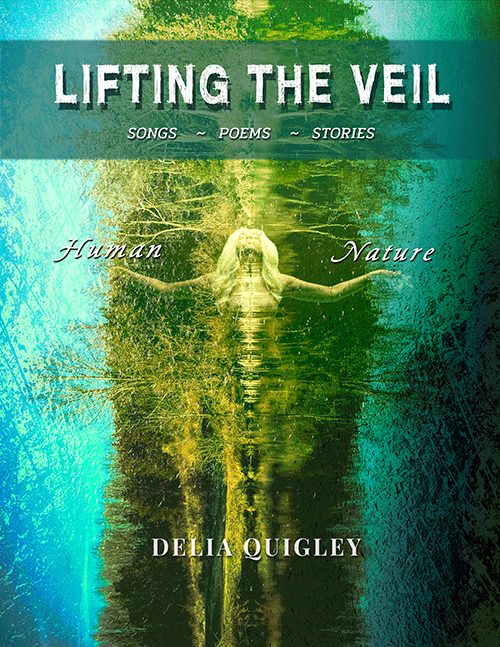
Lifting The Veil ~ Human Nature is about all the wonderful drama and messy bits that make us human. It is a unique work of art created by writer and Photo Artist, Delia Quigley. With songs, poems, and stories, Quigley takes you on a journey from 1968 to the present. Delia’s photo art highlights her observations of Human Nature from childhood to love, women, addiction, war, and living in America. Lifting The Veil is a book you will be thinking about long after you’ve turned the last page.
And so it begins — Human Nature: a year in the making, thirty years in the writing. It has challenged me for so long I cannot remember living without the words winding through my mind. Check out the preview for the soft cover book HERE, and thanks for taking a look.
If you prefer a downloadable e-book version, then check it out HERE.
-
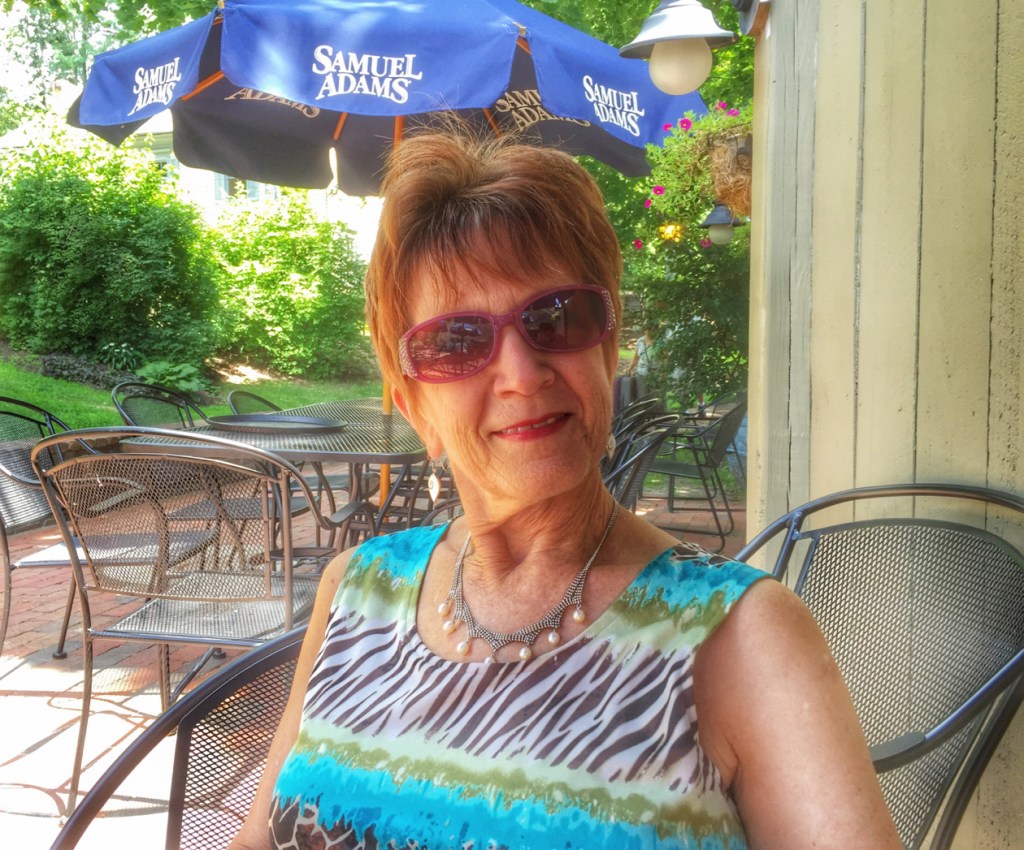
For this months interview on the Creative Process, I turn to one of my dearest and oldest friends, Pat Fenda.
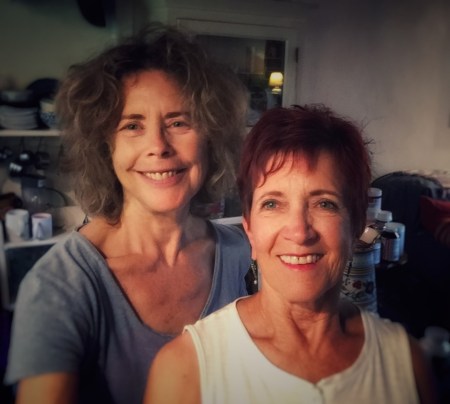
Patty and I go back to a time when we were young, gorgeous women devoted to creating art for the stage through dance, mime, singing, design, and acting. We could do it all with such fearlessness it is astounding to recall the discipline and drive we had for this work that we loved. Age can jade the artist to the time and effort it can take to create something great, but to the young artist, ignorant and inexperienced, it is an exhilarating passion.

When Patty speaks about touring with the USO in her interview, I helped choreograph a naughty dance number for her and Stewart to Donna Summer’s “Bad Girls.” Of course, the troops loved it, as much as they did the belly dancing costumes I beaded that looked fabulous on her curvaceous body. We performed, danced, laughed and partied together, supporting one another through the loss of parents, husbands, and friends. Ours is a lifetime of friendship and love.
Now we speak of this “new” creative phase of our lives, discussing how we will continue creating art for the love of creating that takes us deeper into just being in the perfect moment.
How would you describe yourself as an artist? Has it changed over time and where are you now in your creative process?
I have been a performing artist for over 40 years on big and small stages, community centers, parking lots and street corners. I have done it all, and it was FUN! In 1984, I founded Strictly Entertainment, Inc. a talent agency which at one point had 3 employees. I have been solo for the past 8 years, and it keeps me very busy during the season.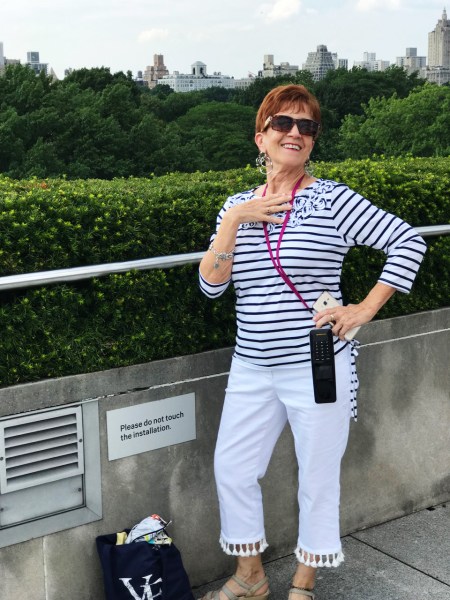
As I head into my “third act,” I found I was craving a new challenge, one filled with creative inspiration. Then in 2016 on a visit to the Kripalu Center in Massachusetts, I was introduced to pastel painting at a workshop called “Drawing Closer to Nature.” In that workshop I had found my new creative passion, painting with pastels! Time stops when I am working on an original painting, I just love being wholly absorbed in the creative process.

Now as I retire from performing, I tell people, “I am trading my horizontal stage for a vertical one.”
How did you become a performing artist?
I received an undergrad degree in Physical Education from Ohio University, the gal who was teaching dance to the Phys. Ed majors left to have a baby, and I was chosen to replace her. I had been actively performing with the dance club, so after two years of teaching, I realized I loved to perform. I received my masters from FSU where one of my professors was a professional mime. I was added to the Mad Mountain Mime Troupe as their token female for several years.
I taught a for the Magic Mountain Mime School in Tallahassee for two summers before taking it to Tampa. I started a dance and mime company with a few friends, called Whose Move that was very successful creating shows in and around the Tampa University museum. Then I met a young filmmaker, Stewart Lippe who was making a film on a Canadian mime and asked if he could join my class to gain a better understanding of what mime involved. I asked what he could do for me, and he said he would be able to teach juggling to my students.
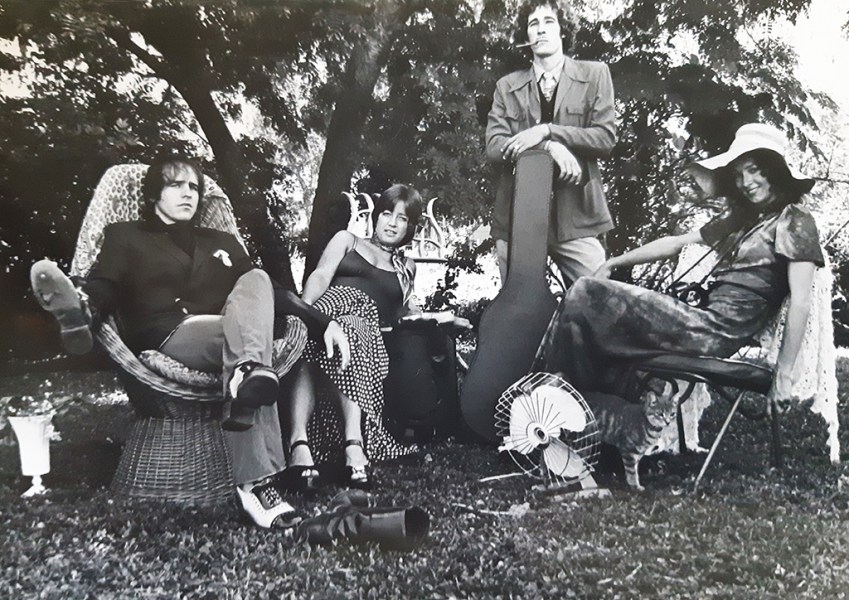
That meeting started a 5-year personal relationship and a 42-year professional one. Together, we created an act called the Franzini Family Circus that has traveled the world. We performed for the USO visiting Air Force bases in the Philippines, Germany, and Australia. We toured Korea when it was so cold they issued us Arctic Parkas upon our arrival. A few years later we were on the same bill with Penn and Teller at the Sarasota Renaissance Fair. We performed in the streets in Washington DC, Quebec, and Montreal.

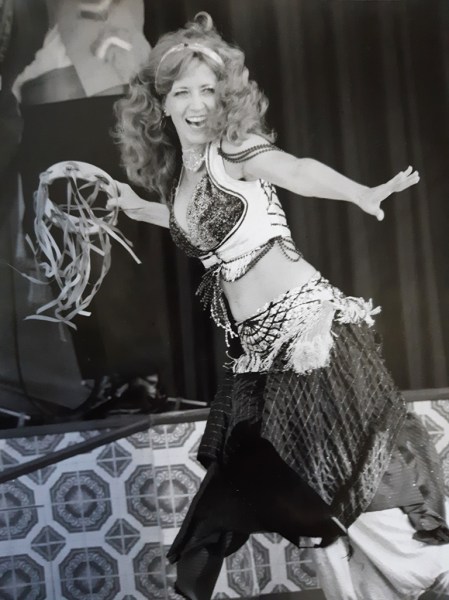
After 5 years of touring, I missed my friends and wanted to build a home in Tampa. I took a job as a featured belly dancer at Busch Gardens. I had learned belly dance for our USO tour from Stewart’s sister who was an International Belly Dancer. I learned a lot performing every day but realized I could not work at an amusement park forever. Out of the Busch Gardens break room, I started my talent agency which I have run for 32 years and am now actively offering for sale.
What do you love about being on stage, in front of an audience?
Making people happy & seeing them laugh! Stewart and I are still working together 40 years later, teaching science concepts to K-5th graders with our Science Circus show, and the kids love it! There is a moment in the show when Stewart throws a “bowling ball” into the audience & the kids jump up and scatter. In reality, he has switched the bowling ball for a rubber ball, and the reaction of the audience never fails to make me laugh out loud! We also had a performing dog, Rosie who was the hit of the show when she climbed a ladder to a 5-foot perch that Stewart then balanced on his chin to end the show. The kids would go wild!
Did you grow up in an artistic family?
NO Way! Although, my mother did pass on a love seeing musicals and theater. My sister and my twin brother both were teachers in public schools. My Mom worked in school offices, and my father was a carpenter. I grew up in a very white middle-class suburb of Cleveland, Ohio. Funny thing, I still miss Ohio.Your creativity seems to include acting, circus performance, now pastel painting, as well as, gardening, renovating old houses, interior, and costume design.
I made a lot of the costumes for the Franzini Family and my own performing, so fashion has always been a love. I have hosted an annual costume party every year on the 1st Saturday in January with a unique theme just so I can create an awesome costume for myself! Last year it was a garden party, and the costumes were terrific. For 2019 I am inspired by the “Heavenly Bodies” show that I saw this summer at the MET Museum in NYC.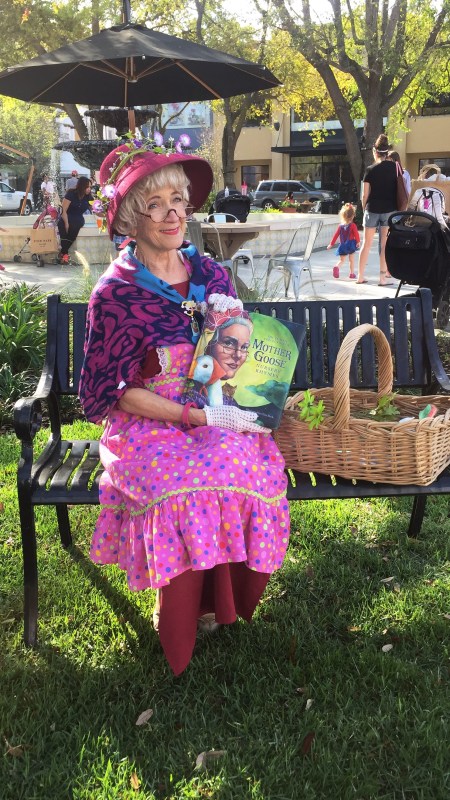
My father was a carpenter and took me to a zillion model homes. I guess I was following in his footsteps as I renovated 3 houses over the past 20 years. Gardening is the slowest of the “performing” arts, but I love to see my bromeliads bloom throughout the year. I garden weekly to keep back the rascal weeds.
How do you share your art with others?
I still perform with the Franzini Family, also each Christmas as Mrs. Claus. This is the best gig ever!! Kids just love Santa and they are so adorable!
Also annually at our local Oscar awards celebration as “Roan Jivers – “when you can’t afford Joan you get Roan!”
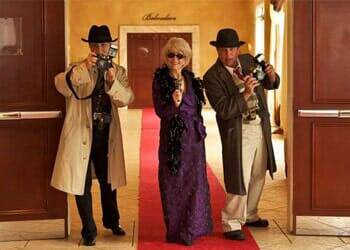
I have shown my paintings in several local art shows and have my sights on winning an award within the next 3 years. I always plan my August road trip around finding a fantastic art workshop.

What intrigues you the most about the creative process?
The challenges it presents to my ego. There is a point in creating a new painting where I think it is the ugliest work, and will never get where I want it to be BUT my wonderful summer teacher told me never to give up! You have to believe in yourself to paint and be happy. This in turn has taught me to be more cooperative with my partner over the years, a good thing!
Looking back would you have lived your life differently?
NO, I have made a wonderful life and created a thriving business. I might have wished to be a better self-promoter………I was always more interested in doing an excellent job than getting new clients. And I would have gotten an accountant sooner! Now I look forward to many happy years following my bliss by doing the creative things I love.What would you say today to your younger self?
Believe in yourself more!
What would you say to young artists coming up in the world?
Work hard and trust your own abilities! “Act boldly, and unforeseen forces will come to your aid!” -
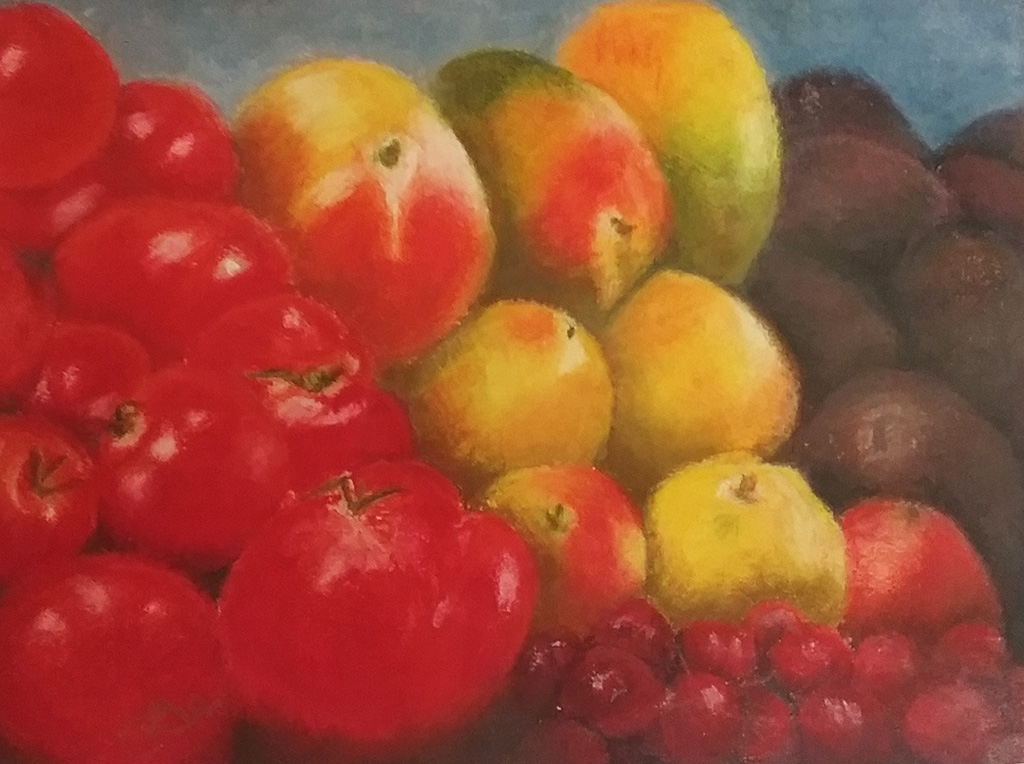
“Act boldly, and unforeseen forces will come to your aid!”
-

I was ten, almost eleven
Free as a young bird
I walked down alleyways alone
Rode motorcycle samlors racing my brothers home
My father was the Chief of Staff, US Army JUSMAGIt was 1961
Bangkok, Thailand
A child’s Disney world
I remember water canals
Gekkos
Water snakes
Buffaloes
Talking mynah birds
Leaping off roofs
Falling from trees
Taking on my Thai classmates defending the lineThen suddenly orders home
War in Laos
Trouble in Vietnam
One day my mother went to see Johnny’s Gems
Shady Johnny who sold jewels to Americans
Mom bought brass Buddha heads
From a ransacked temple
My brother fell ill, close to death
The house was packed ready to go
We were to meet the ship in Lisbon
But my brother lay dyingMy mother awoke from a dream
Unpacked the Buddha heads, returned to Johnny
Bad juju, she told him
He understood and took them from her hands
By the time she got home
My brother had improved so much we could leave
We flew to RomeFirst an audience with Pope John XXIV
Standing next to a pregnant Eartha Kitt
It was hard to pay attention.It is August in Rome
Mom overwhelmed with eight young children
My brothers in the lobby staging fights to attract bets
She hands me five lire and tells me to
Go buy myself something
I walk for blocks moving farther from the hotel
My young eyes feasting on the ancient city
How different from Asia, from anywhere elseA department store calls me into its cool interior
To the jewelry counter
And there was the Brooch
Octagonal ebony cut glass surrounded by small stones
It is so beautiful it takes my breath away
But it is not for me
It is for my tired, stressed motherI show the saleslady my five lire
I point to the Brooch
She says something in Italian and I shake my head
Shrug my shoulders, look vacant and uncomprehending
For my mother, I say
She sighs, understands the universal M word
She takes the Brooch from its case, wraps it in brown paper
Ties a string around the package
She hands it to me with a red-lipped smile
I am an ecstatic 10-year old girl with a special gift
Now I just need to find my way back to the hotelI am lost
The cobbled streets all look the same
It’s hot, but the heat is not like the tropics
It is not wet leaving my skin coated with moisture
A taxi races to a screeching stop beside meThe door opens, and my father steps out
Mary Delia, he says, I’ve been looking everywhere for you.This is our history together
I wander off, and he comes to find me
We look at each other in relief and happiness
Let’s go, he says, I want to show you somethingMy father hails a horse-drawn carriage
He lifts me up into the seat
Swings up beside me and waves his hand
The driver nods, and off we go
I listen as my father points out the birthday cake
The coliseum, the fountains, the statues
It is a long time before we stop
Perhaps this is his time away from everythingAnd a chance to revisit the city he liberated
On an overcast day in 1944
After years of fighting across Italy
Through mud, rain, scorching heat and snow
His men dying, his back shattered, his mind
Who knows
His battalion arrives in Rome
Occupied by the German army
He prepares for battle, but first walks into town
Gun drawn, surprised by the quiet, empty streets
Then out from a gated mansion steps a Nazi officer
Hands in the air, gun dangling from a finger
He surrenders the town to my father
The war is overMy father, the Colonel, knows this city
He stayed on afterward helping to clean up the mess
Now it is bustling, and he is enthralled by the changes
My father motions the driver to leave us on the corner
An Italian patisserie and we take seats at a small table
Let’s go all out, he says, order whatever you want.
But I am nothing if not my daddy’s little girl
We love the same sweet thingsI order a Banana Split, and it arrives half a foot tall
Covered in real whipped cream
Three scoops of gelato, a new taste sensation
Bananas and nuts to add crunch and flavor
It melts fast in the heat, so we eat quickly
We sit together in a pleasurable silence
Just my father and me together
I intuit that this will not often happen in my life
We smile with each mouthful of the sweet cream
And share the last bite of banana soaked in chocolateI am in Rome with my father
On a hot August afternoon
The glass Brooch is warm in the pocket of my shorts
It has brought me good luck with my father’s company
I am excited that soon I will share it with my mother
As we leave the Patisserie, he takes my hand
He opens his mouth and out comes Peg o’ My Heart
In his big Irish tenor
I stare at him in awe, the streets are empty
It is a concert for me alone
I do a little jig to show I am with him, hum a few bars
He gives me a smile and a wink to say this is our secret
And reluctantly we make our way back to the hotel -
I came out here to the farm in May of 1980, and I had just turned forty.

Were you alone? Did you have a friend, a big group of people to start?
In the process with the proposal that we presented eight months earlier, it was approved, and then we came out, there was another sister, Jean Goyet, she was a biologist, and she was interested. I was still working at GEA, and there was a young couple who also worked there, Vinnie McMahan and his wife, Liz. They were young and just married. I asked them, “What do you think about this venture? There’s this farm up in Blairstown and Jean, and I are interested in maybe putting a proposal together. Would you want to be part of that?” We had a lot of conversations, and then the four of us put our names on the proposal. We submitted it, and ours was approved.But you’re a city girl! You grew up in the city, and now you come up to the country. There’s not much around here anyway, but there was a lot less around here then.
I was a city girl. I grew up in Bayonne, but when I was seven years old; the four kids, my mother, and father; I don’t even know how they scraped the money together, but they heard about land on the Muscanetcong river outside of Hackettstown, and it was all wilderness. Route 80 didn’t even exist. This was 1947, and it was all wilderness, farms, and this little section of land called Rustic Knolls, and it still exists by Stevens State Park, all wilderness, but Rustic Knolls had a private road. It was a co-operative place owned by fishermen and hunters. So there were little cabins in there, and a dirt road that went all the way down the hill to the railroad. My parents were able to buy a Lot in there.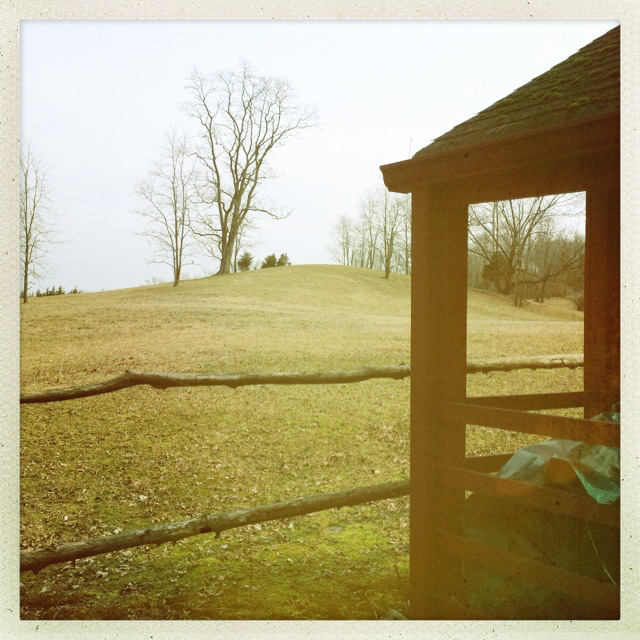
When I was seven years old, we got packed into the car, drove out here. My father had rented one of those little cabins, which was infested with mice…I remember the smell of it…we stayed there for a week while he cleared the Lot of the trees. Then he put up this wooden platform, and he had purchased an army tent, and we lived in that army tent. So the six of us lived in the army tent while my father kept clearing the land and putting in foundations and other stuff.
Over the next ten years every weekend and every summer we were out there as a family building that house. So you see I grew up in the country, and there were kids in a few of the other little houses, and we got to know each other. But we were wild.
We lived in the woods and in the river, and that’s where my connection to nature was born. Huge!
Ok, let’s come back to when you moved out here to Genesis Farm. You started an organic garden.
Right here.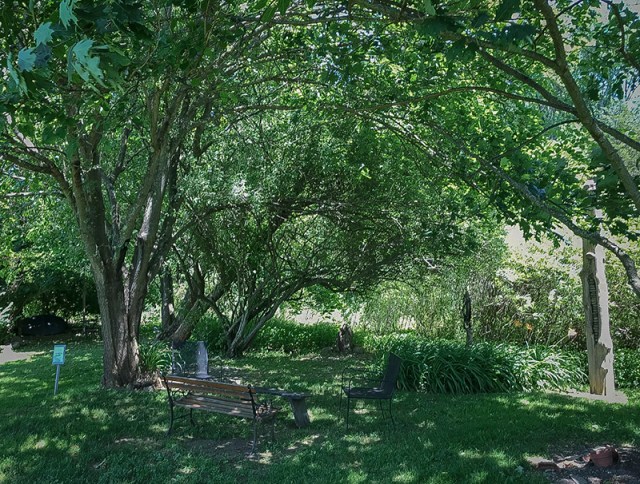
Oh, right here? Where we’re sitting in the grove of the Founders?
Right here. Twenty raised beds that were all double dug French intensive, but it was slow. And all we had was the farmhouse, without the kitchen and the addition on the back with the bathroom. It was just four rooms, and everything else was…tractor shed….we had no place to gather everybody, and we couldn’t use Bread & Roses.; that wasn’t in the deal.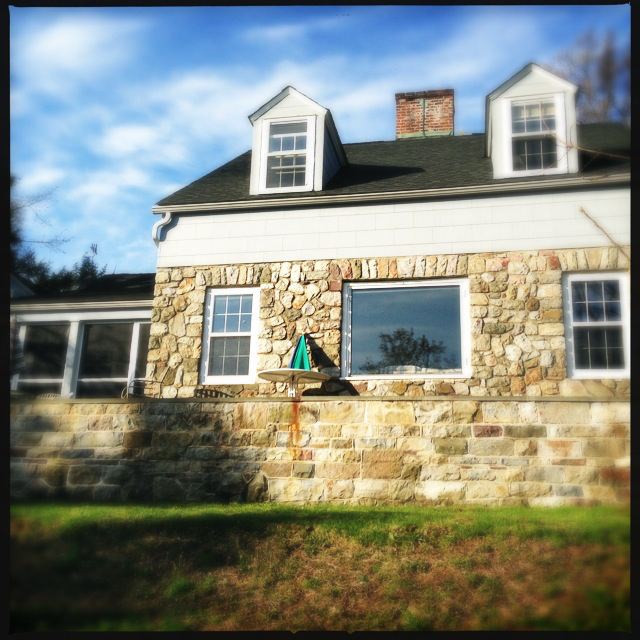
At what point then did you discover Thomas Berry‘s work?
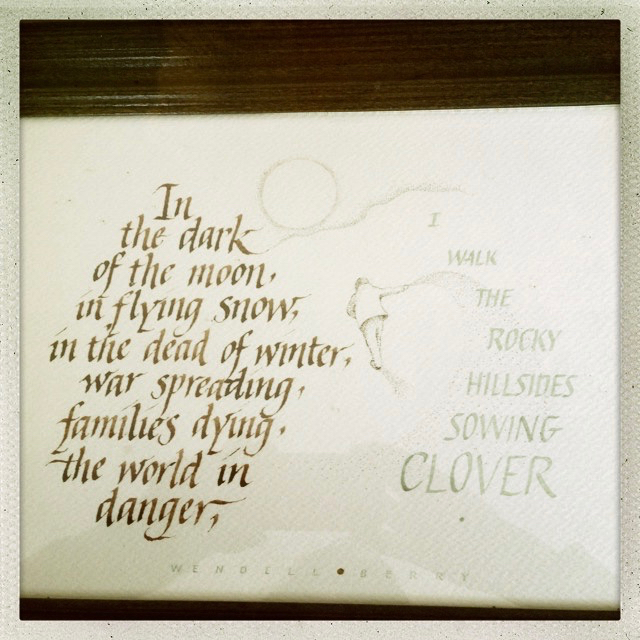
1977, when I was working with GEA. We had a conference to which he was invited to give a presentation. That was Easter week of 1977, and it was another (explosion sound), complete conversion. I didn’t know what he was talking about, none of us did, but we began to publish his works in The Whole Earth Papers. He didn’t have his books out or anything. He was still teaching at Fordham, then he retired to Riverdale Center, but he would publish a paper occasionally, or give a talk, and he would mimeograph them. When he had ten, he would put them in a little binder, and they were called the Riverdale Papers.So, was this an influence in your coming here at that time?
Yes, but much less conscious. It affected my entire psyche, but I had no way to relate to the concepts…they were totally foreign. From ’77 each time he would publish a paper we’d have it put into The Whole Earth Papers…I should show you the history because it’s really interesting to see his papers evolving. Then in 1980 when we came here, I already had just the slightest sense of what he was trying to talk about. The Three Principles and that I was the Earth in the form of the human…I really got that because when he said that in 1977 in that lecture I realized…I wasn’t crazy. Because up until then, in the convent I had this longing for the woods and nature and animals and we couldn’t…. When I would talk about that people thought I was……dingy, ya know?It was like a validation of my own experiences in Rustic Knolls, and I realized I wasn’t crazy.
Let’s talk about the creative process, the creative vision that became awakened once you were here on the land. And what made you decide to change the name from Red Cat Farm to Genesis Farm?
We were struggling, the four of us, “what are we going to call it…what are we going to call it….”, and it just seemed that Genesis was such a generic word that meant “new beginnings,” the new beginnings of things. Everybody just seemed to click. That’s why we called it Genesis Farm.Now that I look back, what we had to do those first four years; first of all we all worked at other jobs and commuted back here. We didn’t have a lot of focused time, we had to earn a living. We had to pay the bills, we had no subsidy. It was really, really hard. When we would meet to talk about what is our vision going to be, we had to sort out where we were coming from.
It was clear Jean had a strong commitment to the city, but she also had a strong commitment to a place in Canada called, Combermere. It was started by this Catholic laywoman, Catherine Doherty, she was a Russian, intellectual, activist who had a strong sense of agrarianism, but she was very hierarchical. Everything was the priests and the father’s, the Bishops and the church, in this country place. She imposed a very strict discipline on the young people who would come to farm there for the experience. It was very community building, and she did a lot of good work, but it was way too rigid for me, and it was so biblically oriented.
I’m already starting to move into…. (laughter)…but I didn’t have the words for that….I just knew I couldn’t give my energy to that model, but I didn’t know what kind of a model. So, we had to work through all of that. Liz and Vinny, who were the young couple, he was a teacher, and she was still working at GEA, they didn’t have the same background, and they had two little babies right away, their life was complicated, and they’re living in the cottage, Jean and I were living in the farmhouse before any additions. We had so much we had to work through, and on very limited time, and when we were here we had to work. I mean all we had to mow the lawn was a riding mower that broke every other day. I want to say to you, the first four years I wiped it out (laughter), I can’t go back there it was so hard.
By the end of those four years, I was here by myself. Jean had decided to go back to the city, Liz wanted to get her Masters from Fordham, and Vinnie was teaching in North Arlington, and the commutes were just crazy. I was here alone…….and that was a year I had space to think. I was also lecturing all over the country. By then I was affirmed as a lecturer on hunger, world order, peace, and increasingly, cosmology was slipping into my talks even though I didn’t know what I was talking about.
By ’84 I called Thomas, I had read his paper; this was before Dream of the Earth was published on bioregionalism. His paper was magnificent. I remember reading it driving with this other Sister through the great plains of Montana, one of us was reading it aloud, and we were crying it was so beautiful. He was putting language around instincts we had no way to describe. When I got home, not shortly after that, he wrote another paper on the Hudson River Valley as a bioregion, and I realized I didn’t know where I was. I’d never heard of bioregionalism. In 1984, this stuff wasn’t being written yet. I realized that and called him up, and I said Tom, I called him Tom, I said, “I don’t know where I am. I know the Delaware River is close by, but I don’t know where I am. How can I be running an ecology center when I don’t know where I am?”
I realized how naive and utopian…. we were just naive. The four of us, one was more naive than the other (laughter). That’s when Thomas invited me to come study with him for a year. I would go out one day a month, make a big pot of soup, go out, spend the day; and he would just talk and talk and talk. Send me home with all these books. I was supposed to read them by the next time I went….I did. Came back and said I don’t know what I read because I don’t know anything about chemistry and astrophysics…you know…you get the sense of it…you get the sense of it. By the end of that year, I wrote a paper to synthesize my studies on bioregionalism and on Genesis Farm as a center for bioregional learning. Then he said, “Ok, you’re ready to start.”
That would have been ’85. Then we wanted to get that kitchen built. Once I was clear, for everything to fall into place, it took a lot of learning and study because I had no background in anything. But there was a direction, there was a clarity about the direction it would take, and then convincing the congregation that that’s the way we should go. Once that was clear we could proceed, before that we couldn’t go anywhere.

What was the vision for the style you created? It’s got a little Shaker, some country simplicity, but it’s all you. The way things are set up, the way the elements are aligned in the different rooms, the furniture you’ve used. What was that sense?
I think from the earliest….earliest sense of the farmhouse, which, by the way, everyone said, “gut the whole place, take it down and start over again.” I couldn’t, I loved it, even though it was a mess. Pictures of when we first walked in….radiators broken, leaks all over, it was terrible.This is really interesting…it was the sense of living simply and making beauty and simplicity….I wasn’t thinking of Shakers then, I didn’t know much about them, I’d heard of them, but now I’ve really done a lot of study on them, and they are a very clear model. But if we were going to have this reflection center where people of good will could come and ask questions in a safe place about the state of the world; I mean that’s basically what we were saying, we didn’t have answers, it was a place people could ask questions.
We knew the simplicity of life had to feature in that, that’s before we came here. So, how to furnish that house without expensive furnishings or things that would reflect that you had to have money to buy that. We worked with the discards of other people and turned it into something beautiful. I think I just had an innate sense of how to do that, but we had to develop patience if we didn’t have the money. We didn’t even have the money for a tape recorder. We had to save for a tape recorder, just to play music.

I know one thing, one of our friends gave us a painting done by her brother. Now you’re giving this artist….but because her brother did it, and this was after we were getting going, and we were always working with community consensus and community building…so I had to say no. That could have started World War III.
The other thing, my brother Bobby is now a very prestigious painter, and he’s got paintings in shows all over the place, and he’s in galleries all over the place, and he gives me this gorgeous watercolor, and I had to say no.
Because everybody can’t afford his paintings. So we have to do it without that kind of art. You’ll notice there’s very little art, anywhere. Then the whole thing became simplified, take things away rather than fill walls, fill everything, keep taking things away and allowing just space to be simple and peaceful. That’s been a whole process, and I know it’s based on principles of design…that really is how it works.
So now, this time present, how do you satisfy your creative process? You’ve achieved a lot, you’ve come to a certain point in your life, you’ve transitioned in these last years. I notice you’re working more in the design of the land, the Valley of Aluna, the opening of the solstice portal, the pilgrimage walk along the Paulinskill River. You’ve come from the learning center and back out into nature…is it a full circle?
Well, it is, but with a deeper understanding of nature and the role of what I would call contemporary art. Where I believe that, in this particular society, art is seen as investments for very wealthy people, and putting a value on painters, paintings or sculptors speculatively. It is mostly decorative, and not necessarily functional at all. There’s an aspect of contemporary art that’s become degenerative. It’s about prestige, elitism, and to me, that’s not art.Art is the capacity every human being has to make something beautiful and to make it well.
If you’re making a table, I don’t care how many paintings you put on top of it, if the table isn’t made well and it falls apart….it has to be functional and beautiful. That’s where the Shakers have been a great inspiration to me.
But everyone can do that and if we were all released internally from our, “Oh, I’m not an artist, I can’t draw, I can’t make a straight line”. As a teacher, I lived through that in my students for 15 years. I had to break that before I could make them see that art is an innate human capacity.

So, what would you say to these young people coming up now?
Well, it’s really interesting. There was a group of young musicians that I invited to help me create some music for our Portals and Passages. I was trying to give them the larger context, and they composed one piece, we did it once, and they wrote back to me and said that was not the kind of music they want to do. They were into Pop and all that, but they’re young. That was probably my most clear invitation to participate in what we’re doing here.It’s hard in this culture when music is all about superstars, and money making and labels and flashy videos. I mean, it’s an expression of the soul of our society. I have conversations with young people, one, in particular, I’m thinking about, and we can sit forever and talk about Leonard Cohen’s music, and his poetry, and the themes he evokes that are so archetypal, and this kid’s fifteen. So it’s there, but if it’s not nurtured by their parents, by their friends or by their culture, it’s rare.
What would you tell them directly?
What would I say to today’s generation? First thing I would say is that I am so sorry that my generation and the generation before have been so selfish. We’re dooming you to a world where beauty is going to be for the rich. I would love to share with you how you could have an infinite source of beauty to inspire you, but it’s not going to look like you think it is. Are you willing to come and camp out here for a week and we’ll explore that?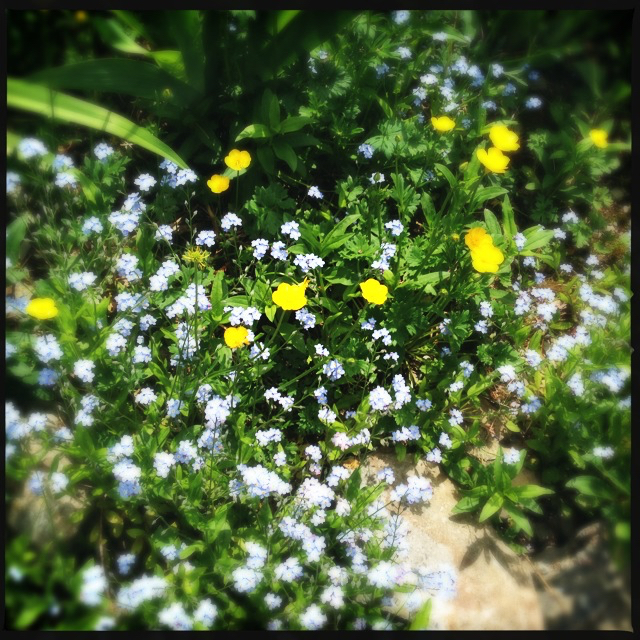
An invitation then? It’s true that to experience and to see it is much more powerful than just to hear some words.
Yeah, yeah…and you need to be steeped in beauty. For me, beauty is the cosmos, is earth, and then there’s the beauty of human artifacts. We make beautiful things too, but if it’s not integral, the way earth makes it, it’s not going to be substantive.What would you say to young Miriam starting out, knowing what you know today? Is there any advice you’d give her?
I probably wouldn’t do much differently or make different decisions, but I would suggest developing a little more capacity to break through naivety. There is a naivety that I grew up with, this idealistic sense that it will all work out in the end, and it’s going to be ok in the end, and all of that. It’s funny, I don’t believe that anymore. What I do believe is the possibility of the human creative spirit, but it has to participate. It’s not going to happen because we’re waiting for it to happen.It doesn’t happen just because you’re sitting in meditation or praying to some deity. We are capable of incredible creativity, compassion, and goodness, and we are capable of incredible self-centeredness and selfishness, and hatred, and bigotry, and war-making. Look at what we are doing right now as a nation. And we are still perceiving ourselves naively, as the greatest nation on earth. That comes from a lack of discernment. You have to rationally analyze things, as well as, intuit. That’s why Thomas says that…you have to have both of those aspects.

To begin to understand more deeply what you’ve done here at Genesis or the model you followed, is there a book or two books you would recommend for people to begin their understanding?
I am so steeped in Thomas Berry’s work, I would say that you cannot skip over reading, The Dream of the Earth, and The Great Work…like sixteen times. Because you cannot get it all in one reading. The other day I was reading the end of one of his essays on Universities, Chapter 7 in The Great Work; and the last paragraph he’s talking about the role of the University, and he says,We are not prepared for the mind tormenting ambivalence we have to live in now.
And I never saw “mind tormenting,” and I knew what he was talking about, but I never saw it before, and I read that chapter many times.
So, Dream of the Earth, The Great Work, The Universe Story. Then you can go into the scientific. Brian Swimme’s tapes are very instructive, especially one set called The Powers of the Universe. I would recommend that as essential reading. That’s the comprehensive view; but to wake us up from our naiveté I would suggest you go and read a book called The Peoples Advocate, by a lawyer by the name of Daniel Sheehan. It is his story of how he was privy to information from one of the major law firms in New York, who understood how prior to World War II, a very small, very wealthy group of Americans formed a cabal to fund Hitler because they didn’t believe that democracy would work and they wanted to shift America from democracy to fascism.
And how George Herbert Walker Bush’s grandfather was one of them and the Dulles family. When I was able to go back historically and reconstruct that everything fell into place. We’ve studied here the rise of theocracy, and how after Barry Goldwater’s defeat in the ’60’s this intention to create the Republican Right, and the religious right, was a strategy. We were steeped in this, but prior to Danny Shehan, I didn’t have the background.
So, basically, you are asking people to educate themselves.
Yes, but what I am saying is not going to be taught anywhere.I know, and these events have led to where we are today.
It’s a major part…a huge part. It’s the core. People ask how did we get here? Well, this is how we got here.Well, Miriam, thanks so much for sharing your life as an artist with us.
(laughter)
Now, that’s just my perspective, don’t believe me, figure it out for yourself.Be creative!
Yes, exactly.
The founders of Genesis Farm 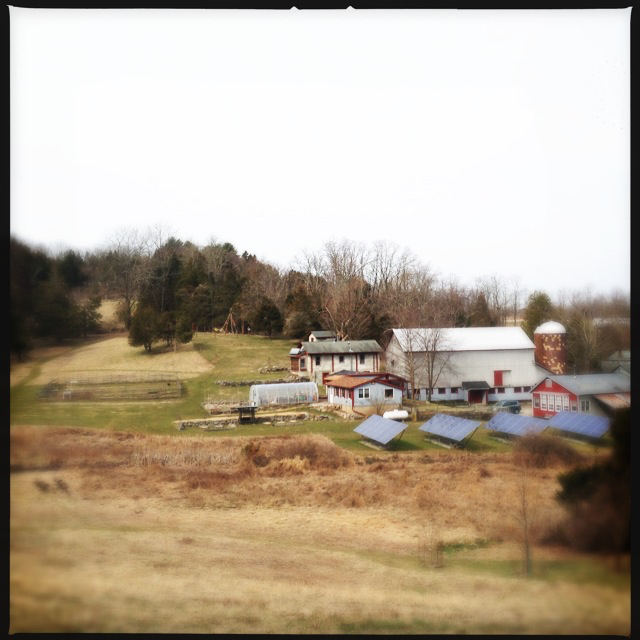
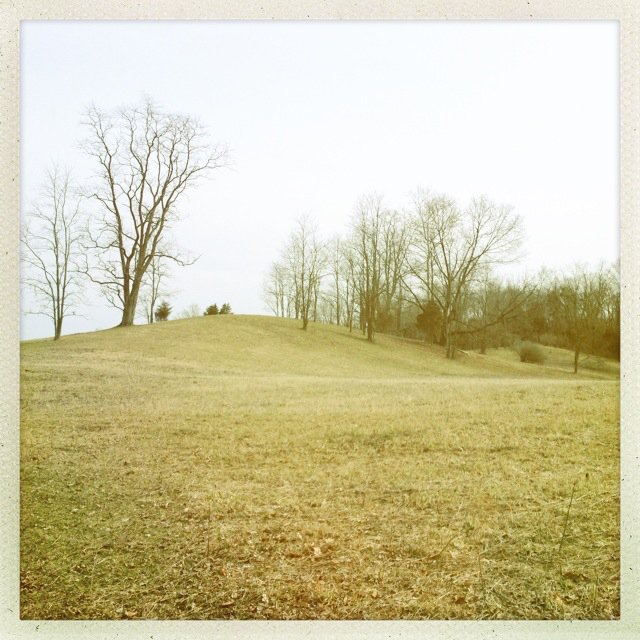
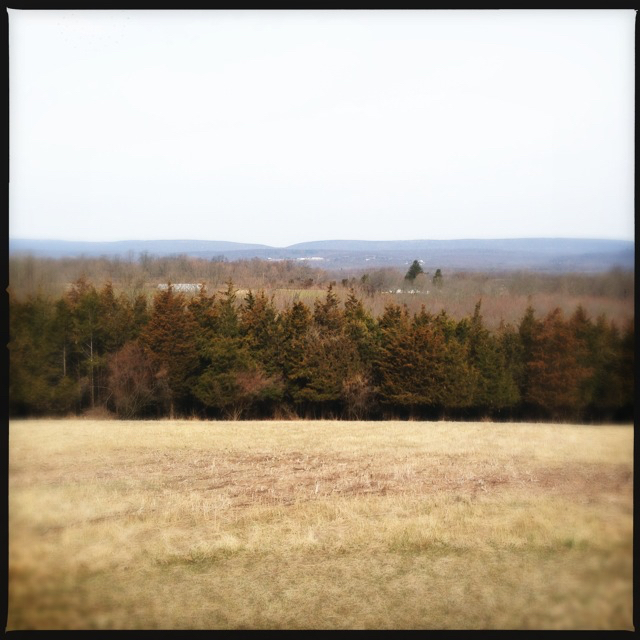
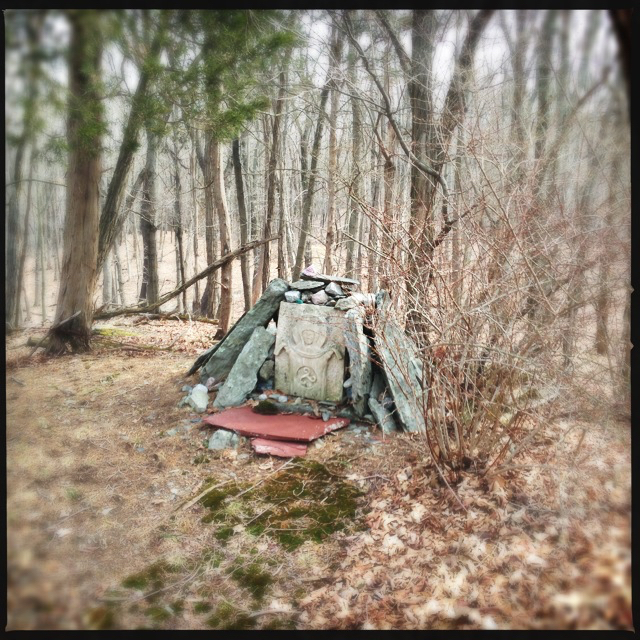
All photos of Genesis Farm by Delia Quigley (taken over many wonderful years walking the land.)
-

Art is the capacity every human being has to make something beautiful and to make it well.
~Miriam MacGillis
 DELIA QUIGLEY